

Table of Contents
- Polyester Yarn vs Cotton: Key Differences for Crochet Bags
- Durability and Strength: Which Material Holds Up
- Crochet Bag Shape Retention Tips
- How to Keep Items from Falling Out of Crochet Bags
- Cleaning and Maintaining Crochet Handbags
- Cost-Effectiveness and Sustainability
- Which Material Should You Choose for Your Crochet Bag
- Frequently Asked Questions
Last Updated: September 23, 2026
Polyester Yarn vs Cotton: Key Differences for Crochet Bags
Choosing yarn for a crochet bag determines how it performs under real-world conditions. Mali Bags creates stunning crochet handbags using premium polyester yarn. Understanding how polyester compares to cotton matters if you want a bag that holds its shape, resists wear, and lasts through seasons of daily use.

The fundamental difference between polyester yarn vs cotton for bags comes down to fiber structure. Cotton is a natural fiber with lower elasticity and stretches more easily. Polyester is synthetic with inherent fiber elasticity, giving it natural resistance to deformation. This directly affects whether your bag sags after a month of carrying groceries or maintains its shape for years.
Both materials have merit. Cotton offers softness and natural hand-feel; polyester delivers durability and shape retention ideal for everyday use. Choose based on your priorities: aesthetics and natural fiber preference, or structural integrity and longevity.
Fiber Structure and Durability
Cotton fiber has a hollow core structure that absorbs moisture, making it breathable but prone to stretching under load. Polyester fiber is solid and non-absorbent, resisting moisture damage and maintaining dimensional stability better over time.
A cotton crochet bag can develop permanent stretch marks from repeated use, while a polyester bag maintains its original dimensions. Polyester fibers don't relax or elongate the way cotton fibers do under daily weight.
Yarn weight matters: thicker yarn creates tighter stitches and stronger structure. Within the same weight, polyester outperforms cotton for durability because of how the fiber behaves at a molecular level.
Durability and Strength: Which Material Holds Up
Polyester yarn demonstrates superior tensile strength compared to cotton. Polyester fibers maintain their strength after repeated flexing, washing, and UV exposure, while cotton fibers gradually weaken with age and sunlight.
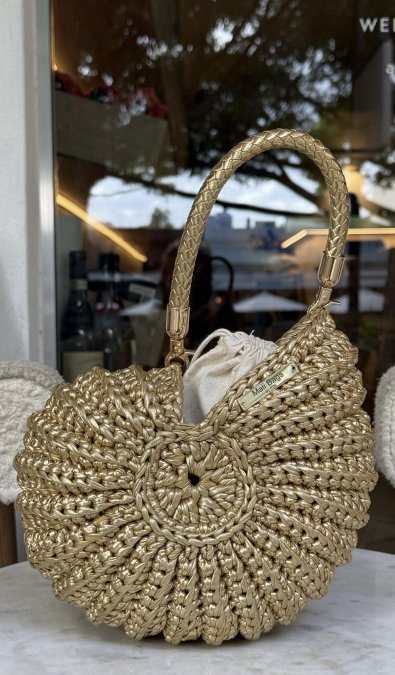
A polyester bag handles heavy daily loads without sagging or seam stretching, while cotton bags often develop visible stretch and sagging within weeks.
Tensile Strength and Load-Bearing Capacity
Abrasion resistance measures how well a fiber withstands friction. Polyester fibers hold up without pilling when rubbed against clothing, cars, or rough surfaces. Cotton fibers are softer and more prone to surface damage and pilling over months of use.
Polyester bags maintain appearance and structure after extended daily use, while cotton bags may show visible wear, pilling, and shape loss. Mali Bags uses premium polyester yarn to deliver the durability customers expect from an investment piece.
Abrasion Resistance and Wear Patterns
Cotton develops pilling quickly when rubbed against rough surfaces, creating a fuzzy appearance. Polyester resists pilling because its stronger fibers resist the friction that causes pilling.
Polyester yarn holds crisp, defined stitches that remain visible after extended use, while cotton stitches soften and blur over time, especially when wet. Polyester bags maintain visual appeal longer because stitches stay sharp.
A cotton bag may develop soft spots, stretched areas, and dulled colors, while a polyester bag distributes wear evenly and resists dramatic shape changes.
Crochet Bag Shape Retention Tips
Polyester's fiber elasticity resists permanent stretching that plagues cotton bags. Construction also matters: proper stitch tension and adequate yarn weight improve shape retention regardless of fiber type.
Why Polyester Resists Sagging Better
Polyester fibers have natural memory and return to their original state when stretched. Cotton fibers are more compliant and stay stretched. A polyester bag returns closer to its original shape when emptied, while a cotton bag may retain a permanently stretched appearance.
Polyester maintains structural integrity in warm conditions, while cotton may become limp and saggy.
A sturdy lining distributes weight evenly and prevents items from pulling the bag out of shape. Mali Bags' Arabella clam shell bags include zipper closures and internal lining to maintain structure.

Cotton Stretch and How to Manage It
Cotton bags will stretch. Manage this through tighter crochet tension and thicker yarn, which create denser fabric and stronger structural support.
Lining is essential for cotton bags. Without it, items pull directly on stitches, accelerating stretch. A quality lining distributes weight and prevents dramatic sagging.
Cotton bags develop gradual shape changes with use. Many crafters find this natural aging appealing.
How to Keep Items from Falling Out of Crochet Bags
Items can slip through openings between stitches in loosely constructed bags or those made with thin yarn. The solution involves material choice and construction details.
Lining Requirements for Both Materials
A lining is essential for functional everyday crochet bags. It prevents items from falling through stitches, protects the interior, and distributes weight to reduce stress on the structure.
For polyester bags, a simple cotton or linen lining works well. The lining should be securely attached, ideally with a zipper closure at the top.
For cotton bags, use a sturdier lining material like heavier cotton or cotton-blend to compensate for stretching and reinforce structure.
The Arabella clam shell bags from Mali Bags include zipper closures and internal lining integrated into the design.
Stitch Definition and Bag Structure
Tight stitch definition creates smaller openings between stitches. Polyester yarn with tight tension creates very defined stitches with minimal gaps, while cotton yarn may have slightly more give due to fiber softness.
Tighter stitches like single crochet create denser fabric with smaller gaps than looser stitches. A bag with tight stitches and polyester yarn has minimal risk of items falling through, while loose stitches with thin cotton yarn may require a lining.
Worsted-weight or bulky-weight yarn creates more defined stitches with better structural integrity than thin yarn.
Cleaning and Maintaining Crochet Handbags
Cleaning and care depend heavily on fiber content, as polyester and cotton have different washing requirements.
Washability and Colorfastness
Polyester yarn is exceptionally washable and can handle machine or hand washing. It dries quickly and resists mildew. Colorfastness is excellent with polyester.
Cotton yarn requires gentler handling with hand washing in cool water. It absorbs water, takes longer to dry, and is more vulnerable to mildew. Colorfastness depends on dye quality.
Polyester bags are lower maintenance and can be washed. Cotton bags need careful handling and less frequent washing.
Long-Term Care to Prevent Pilling and Fading
Prevent pilling with gentle handling and avoid rubbing against rough surfaces. Store bags in cool, dry places away from direct sunlight, as UV exposure causes fading.
| Material | Washability | Colorfastness | Pilling Risk | Drying Time | Best For |
|---|---|---|---|---|---|
| Polyester | Machine or hand wash, cold | Excellent | Minimal | Quick (1-2 hours) | Daily wear, frequent cleaning |
| Cotton | Hand wash, cool water | Good to fair | Moderate to high | Slow (4-8 hours) | Aesthetic preference, occasional use |
Cost-Effectiveness and Sustainability
Price differences reflect material costs and durability. A cheaper cotton bag costs less upfront but may require replacement sooner, while a polyester bag lasts longer.
Price Comparison and Value
Polyester yarn costs slightly more than cotton but delivers better value through longevity. A Mali Bags Lana Puff Bag costs $100 and lasts longer, while budget cotton bags may require replacement sooner.
Environmental Impact and Biodegradability
Cotton is biodegradable and renewable but conventional production uses significant pesticides and water. Cotton bags eventually break down in landfills.
Which Material Should You Choose for Your Crochet Bag
The decision between polyester yarn vs cotton for bags ultimately depends on your priorities and use case. Both materials can create beautiful, functional bags. The question is which trade-offs align with your needs.
Polyester for Everyday Durability
Choose polyester if you want a bag that holds up to daily use without complaint. Polyester bags resist stretching, maintain their shape, resist pilling, and clean easily. They're ideal if you want your bag to look good for years without significant maintenance.
Cotton for Softness and Natural Feel
Choose cotton if you prioritize the natural feel and softness of the material. Cotton bags have a pleasant hand-feel that many crafters and users prefer. Cotton is biodegradable and comes from renewable sources, which appeals to environmentally conscious shoppers.
Frequently Asked Questions
Does polyester yarn stretch more than cotton in crochet bags?
Polyester yarn has greater fiber elasticity and thermal stability, meaning it resists stretching better than cotton over time. Cotton fibers naturally absorb moisture, which causes them to swell and lose shape retention. Polyester's synthetic structure maintains its original dimensions even with daily use and washing, making it the better choice if you want a bag that won't sag or stretch out after a few weeks of regular wear.
What kind of yarn is best for a bag?
The best yarn depends on your priorities. Polyester offers superior durability, abrasion resistance, and shape retention, making it ideal for everyday bags that need to hold up to frequent use. Cotton provides superior softness and a natural hand-feel, but requires more careful maintenance. For handcrafted crochet bags designed to last, polyester yarn with high ply count and tight stitch definition delivers the structural integrity needed for daily wear, especially when paired with proper lining to prevent items from falling through.
Is cotton or polyester yarn better for crochet handbags?
Polyester yarn is better for crochet handbags if durability and shape retention are your main concerns. It resists pilling, maintains colorfastness longer, and has higher tensile strength for load-bearing capacity. Cotton is better if you prioritize softness and natural fiber feel, but it requires more careful washing and storage to prevent shrinkage and fading. Mali Bags uses 100% polyester premium yarn in designs like the Aurora Puff bags ($250) to ensure the perfect stitch and structural integrity for statement pieces you'll wear repeatedly.
How do you prevent a crochet bag from stretching and sagging?
Choose polyester yarn, which naturally resists stretching due to its fiber structure and low moisture absorption. Ensure your bag has a proper lining and zipper closure to distribute weight evenly and prevent items from pulling on the stitches. Store your bag flat or stuffed with tissue to maintain its shape between uses. When washing, use cold water and gentle handling. Avoid overstuffing, as excessive load-bearing stress will stretch any material over time. Polyester's superior shape retention makes it the best material choice for preventing sag.