

Table of Contents
- Why Crochet Bags Sag and Stretch
- Choose the Best Yarn for Crochet Bags
- How to Line a Crochet Bag for Structure
- Crochet Bag Stiffener Ideas That Work
- How to Keep Items from Falling Out of Crochet Bags
- Secure Handles and Straps to Prevent Sagging
- Maintain Your Crochet Bag to Prevent Sagging
- Frequently Asked Questions
Last Updated: September 18, 2026
Why Crochet Bags Sag and Stretch
A handmade crochet bag is beautiful. But without the right structure, it won't hold its shape. The problem is simple: yarn stretches under weight. When you load a bag with everyday items, gravity pulls the stitches downward. The fabric loses its form. This is why learning how to keep crochet bags from sagging matters before you even start using your bag.
Crochet fabric is open and flexible by nature. That's what makes it charming. But it's also what makes it vulnerable. Single crochet and double crochet stitches create gaps between loops. These gaps allow the yarn to shift and move. Over time, the bag sags.
The good news: sagging is preventable. With the right yarn choices, reinforcement methods, and construction techniques, your crochet bag can stay structured for years. Mali Bags uses 100% polyester yarn, which resists stretching.
Choose the Best Yarn for Crochet Bags
The yarn you select determines everything. Not all yarns are equal when it comes to structural integrity.
Cotton yarn holds shape well initially but can soften and stretch with repeated use. It's durable for everyday bags but requires reinforcement if you want long-term stability.
Acrylic yarn resists stretching better than cotton. It's affordable and comes in countless colors. Many crocheters prefer acrylic for tote bags because it bounces back after weight is removed.
Polyester yarn is the gold standard for bags that need to stay structured. It resists moisture, doesn't soften easily, and maintains tension under load. Mali Bags relies on polyester for this exact reason, it ensures your bag looks polished whether it's brand new or a year old.
Yarn weight matters too. Thicker yarn (worsted weight or bulky) creates denser stitches. Denser stitches mean less stretch. Thinner yarn (fingering or sport weight) creates looser fabric that's more prone to sagging. For a bag that won't sag, choose at least worsted weight.
How to Line a Crochet Bag for Structure
A fabric lining adds internal support and protects your items from snagging on crochet stitches. Lining helps keep crochet bags from sagging.
Fabric lining basics
Many crocheters add a layer of interfacing between the lining and the crochet. Interfacing stiffens the bag bottom and walls, preventing them from collapsing under weight. Fusible interfacing bonds directly to your fabric with heat, making it simple to attach.
Sewing lining to your bag
For extra security, tack the lining to the bag bottom at a few points. This prevents the lining from shifting when you carry items.
Crochet Bag Stiffener Ideas That Work
Beyond lining, you have several options for adding internal support. These methods work alone or in combination with fabric lining.
Interfacing for internal support
This method adds structure without bulk. Your bag stays flexible but won't sag under normal weight.
Plastic canvas reinforcement
You can also sew plastic canvas pieces to the inside walls of your bag for additional support. This creates a structured cage that holds the bag's shape permanently.
No-sew stiffening alternatives
Not everyone sews. If you'd rather skip the needle and thread, you have options.
Fabric stiffener spray can be applied to the inside of your finished crochet bag. Spray it on, let it dry, and the fabric becomes firm. This method works best for bags that need moderate stiffness.
Starch is a traditional option. Mix fabric starch according to package directions and brush it onto the inside of your bag. As it dries, the starch hardens the fabric. You'll need to reapply starch occasionally, but it's an affordable solution.
Mod Podge or similar craft adhesives can be brushed onto crochet fabric to stiffen it. This creates a permanent bond. The bag becomes quite stiff, so use this method only if you want a structured, less flexible bag.
How to Keep Items from Falling Out of Crochet Bags
An open crochet weave means small items can slip through the gaps. This is frustrating and defeats the purpose of having a bag.
A fabric lining helps solve this problem. The lining closes off the gaps between stitches. Small items stay inside, and your belongings stay protected.
Secure Handles and Straps to Prevent Sagging
Weak handle attachment is a common reason bags sag. When handles aren't secured properly, they pull unevenly on the bag walls. This causes the entire structure to collapse.
Slip stitch attachment method
The slip stitch is a hand-sewing technique for attaching handles. It creates an invisible seam that holds under tension.
Tacking for extra stability
Tacking is especially important for bags that will carry heavy items. The extra stitches distribute weight more evenly and reduce stress on individual attachment points.
Maintain Your Crochet Bag to Prevent Sagging
Even well-constructed bags need care. Regular maintenance keeps your bag looking structured and new.
Blocking and reshaping
Blocking works best on natural fibers like cotton. Polyester responds to blocking but may not hold the shape as permanently. Repeat blocking annually or whenever your bag loses its form.
Weight distribution and care
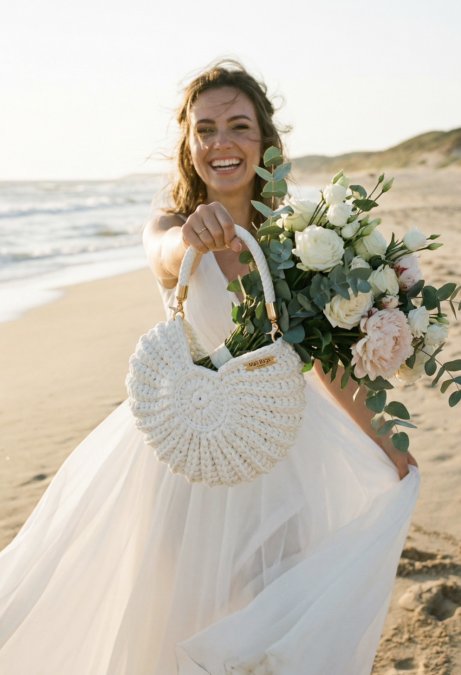
Keeping your crochet bag from sagging comes down to three things: choosing the right yarn, adding internal structure, and securing every attachment point. Mali Bags understands this, that's why each handcrafted piece is made with 100% polyester yarn. Whether you're carrying the Maree beach bag with its fully lined interior and side pockets, or the Mini Maree for smaller occasions, proper construction and maintenance ensure your investment stays beautiful. Start with quality materials, reinforce where it matters, and your crochet bag will hold its shape, and your style, for seasons to come.


Frequently Asked Questions
How do I keep a crochet bag from sagging after regular use?
The most effective way to keep crochet bags from sagging is combining three methods: start with a yarn that has good structural integrity like acrylic or polyester blends, add internal lining and interfacing during construction, and ensure handles are securely attached using slip stitch or tacking. Proper stitch density and tension during crocheting also play a critical role. Regular blocking and reshaping after use helps maintain the bag's original shape over time.
What is the best yarn for crochet bags to prevent stretching?
Polyester yarn resists stretching. Mali Bags uses luxurious 100% polyester yarn.
Does lining a crochet bag actually prevent it from sagging?
Yes, lining a crochet bag improves structure and helps prevent sagging. Fabric lining adds weight distribution across the bottom and sides. Combined with interfacing, a proper lining creates internal support that helps prevent the bag from losing its shape. The lining also keeps items from falling through gaps in the crochet stitches. This is why handcrafted bags like Mali Bags's Maree collection include full internal lining with pockets and zippers for function.
What stiffener works best for crochet bags?
Interfacing and plastic canvas are stiffeners for crochet bags. Interfacing is sewn or fused into the lining and provides subtle structure without bulk. Plastic canvas creates firmer support and works well for bag bottoms and sides. Choose your method based on how structured you want the final bag to be.